
Gene isolation and characterisation, gene expression, gene regulation in plants
Theory
What is Gene Characterization?
The term "gene characterization" refers to the process of determining and comprehending the functions, structures, and regulatory mechanisms that are associated with genes.
Gene characterisation is crucial for a number of reasons, each of which contributes to our understanding of biology and the advancement of applications in the fields of medicine, agriculture, and biotechnology.
To accomplish this, it is necessary to investigate the sequences of DNA, the patterns of expression, the protein products, the relationships, and the roles that these genes play in the growth, development, and response of plants to environmental stimuli.
Gene characterization is important for -
- Contributes to the development of environmentally sustainable agriculture by leading to the creation of crops that are more resistant to environmental pressures such as salinity, drought, and flooding.
- Strengthens the capacity to breed or design plants with desired characteristics, such as increased yields, better nutritional value, and pest and disease resistance.
- Promotes the development of genetically modified organisms (GMOs) to fulfil certain demands in industry and agriculture.
Relevance of genes with respect to functions: An illustration
| Functionality Type | Description | Example Genes | Roles |
|---|---|---|---|
| Structural | Provides structural components within cells and tissues | Actin, Tubulin | Maintain cell shape, enable cell movement and contribute to cytoskeleton |
| Enzymatic | Catalyze biochemical reactions | Rubisco, Nitrate Reductase | Facilitate photosynthesis, nitrogen assimilation, and various metabolic pathways |
| Regulatory | Control the expression of other genes | MYB, WRKY, MADS-box | Regulate developmental processes, stress responses and signal transduction pathways |
| Transport | Involved in the movement of molecules across cell membranes | Aquaporins, ABC transporters | Facilitates water transport, nutrient uptake and detoxification |
| Signaling | Mediate communication between cells and within cells | Receptor Kinases, G-proteins | Transduce external signals, developmental processes, and regulate responses to environmental stimuli |
| Defensive | Protect plants against pathogen and pests | PR Genes, Bt toxin Genes | Confer resistance to diseases and insect pests, induce systemic acquired resistances (SAR) |
| Storage | Store nutrients & energy | Seed storage proteins (e.g. Albumins Globulins) | Provide energy and building blocks during seed germination and early growth |
Some illustrations to understand Gene Characterization–
Golden Rice
To address vitamin A deficiency, which causes blindness and immune deficiencies, especially in developing countries, Golden Rice is genetically modified to produce beta-carotene, a precursor of vitamin A, in the edible parts of rice. Golden rice was created by transforming rice with two beta-carotene biosynthesis genes: psy (phytoene synthase) from daffodil (Narcissus pseudonarcissus) crtI (phytoene desaturase) from the soil bacterium Erwinia uredovora.Bt Corn
Bacillus thuringiensis (B. thuringiensis, a spore-forming soil bacterium, produces the crystal insecticidal protein (δ-endotoxin) known as Bt toxin by transcription from its cryogene. To provide resistance to pests like the European corn borer, reducing the need for chemical insecticides. Bt corn is engineered to express insecticidal proteins from the bacterium.
Researchers characterized the Bt toxin genes, determining how they kill insect pests. They then incorporated these genes into the corn genome and ensured stable expression and proper folding of the toxin protein to be effective against pests.
- Flood resistant Rice
To enhance rice production in flood-prone regions, ensuring food security so that Rice varieties can survive prolonged submersion in water.
The SUB1A gene, which confers flood tolerance by controlling ethylene response pathways, was identified. Researchers introduced this gene into rice varieties, enabling them to survive and recover from flooding.
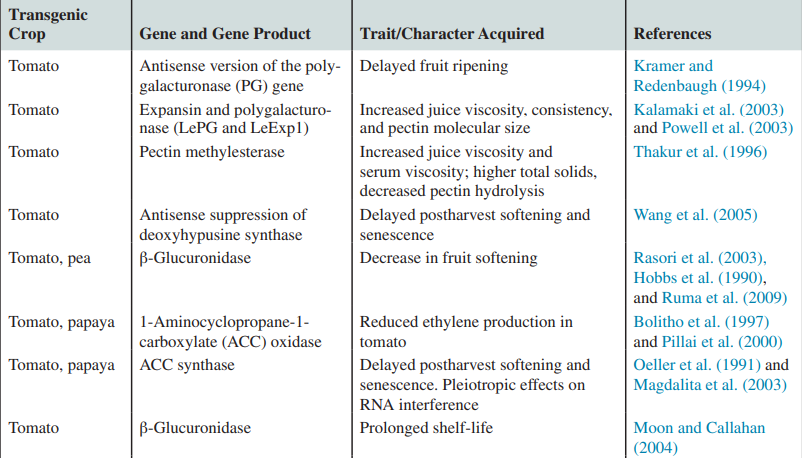
Figure 1: Transgenic vegetables with improved storage
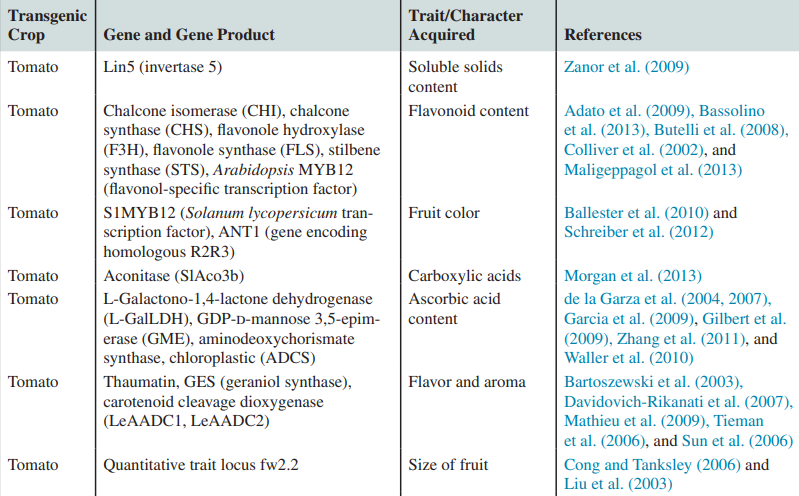
Figure 2: Transgenic vegetables with nutritional value