
Medical-Implants
Use of High-Strength Metal Composites in Body Implants
High-strength metal matrix composites are extensively used in artificial body implants because of their high strength-to-weight ratio, low density, and chemical stability.
These materials are non-toxic and biocompatible, allowing them to function safely inside the human body for long periods without adverse reactions.
Conventional Manufacturing of Artificial Implants
Artificial body implants are commonly manufactured using powder metallurgy techniques, which follow a bottom-up grain refinement approach.
This method enables the formation of fine microstructures with controlled material properties suitable for biomedical applications.
Limitations of Bottom-Up Grain Refinement Techniques
Despite its advantages, the bottom-up approach has several limitations, including restricted component size and very high production costs.
These limitations make the process less suitable for large-scale or bulk manufacturing of implant materials.
Top-Down Grain Refinement Approach
To address the drawbacks of conventional methods, researchers have explored top-down grain refinement techniques based on severe plastic deformation (SPD).
These techniques refine the grain structure by applying large plastic strains while maintaining the overall dimensions of the material.
Equal Channel Angular Pressing (ECAP) Process
Among various SPD techniques, Equal Channel Angular Pressing (ECAP) is a promising method capable of producing ultra-fine-grained, high-strength materials at the bulk level.
Although SPD processes also face size limitations, ECAP can be successfully scaled up for industrial applications.
Application of ECAP in Artificial Body Implants
This experiment demonstrates the applicability of the top-down grain refinement approach using ECAP.
The process enables manufacturing of lightweight, high-strength artificial body implants with improved mechanical performance.
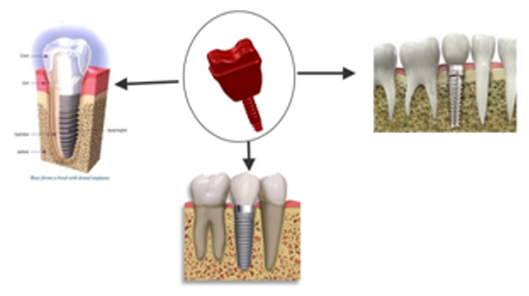
Figure 1: Artificial Tooth Forming Process
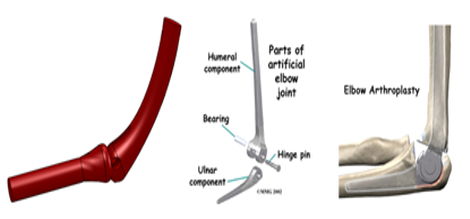
Figure 2: Artificial Elbow Joint Manufacturing Process
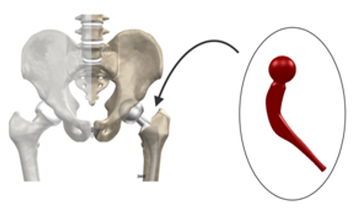
Figure 3: Artificial Hip Joint Manufacturing Process