
Simulation of sending live sensors data on IoT Platform using HTTP Protocols and ESP8266/ESP32
Objective
The objective of this experiment is to simulate and analyze the process of acquiring real-time sensor data and transmitting it to a cloud-based IoT platform using HTTP communication protocols with ESP8266 and ESP32 microcontrollers.
This experiment aims to help learners understand IoT communication flow, web-based data transmission, client–server interaction, and remote monitoring concepts in a virtual laboratory environment.
Introduction
The Internet of Things (IoT) refers to a network of physical devices embedded with sensors, software, and communication technologies that enable them to collect, process, and exchange data over the internet without human intervention.
IoT systems are widely deployed in modern applications such as smart homes, smart agriculture, healthcare monitoring, industrial automation, and environmental sensing. A typical IoT system integrates hardware, networking, and cloud services to provide real-time data access and intelligent decision making.
A general IoT system consists of the following components:
- Sensors for collecting physical or environmental data
- Microcontroller for processing sensor data
- Communication module for transmitting data over the internet
- Cloud platform for data storage, visualization, and analysis
In this experiment, ESP8266 and ESP32 microcontrollers are used as IoT-enabled devices to transmit live sensor data to an IoT cloud platform using the HTTP protocol, which is one of the most widely used web communication standards.
Overview of ESP8266 and ESP32
ESP8266
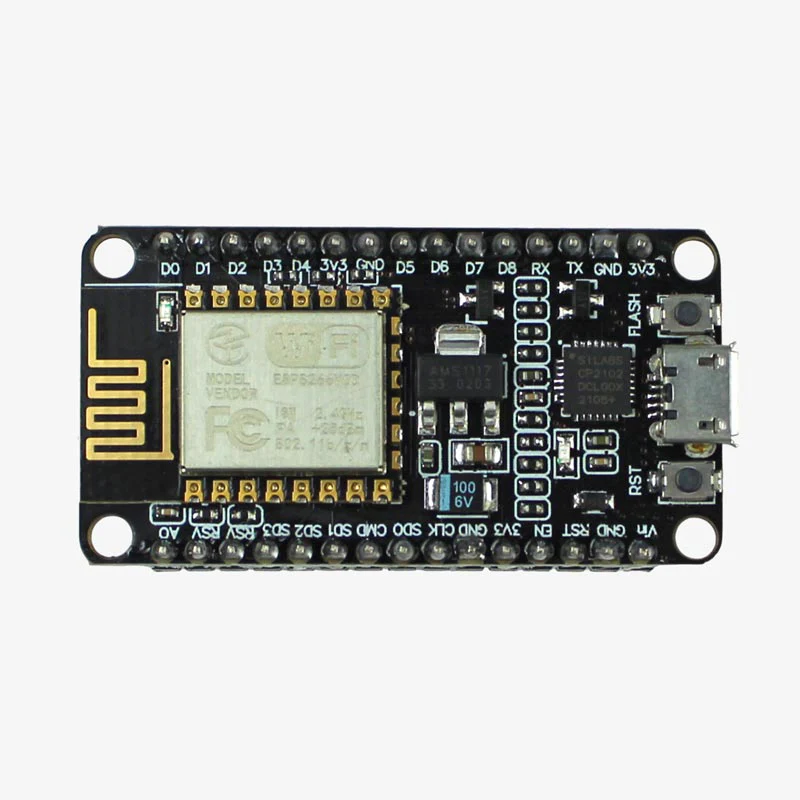
ESP8266 is a low-cost Wi-Fi-enabled microcontroller designed specifically for IoT applications. It integrates networking capabilities directly on the chip, allowing it to connect to Wi-Fi networks without external modules.
Key features of ESP8266 include:
- Integrated TCP/IP protocol stack
- Built-in Wi-Fi module
- GPIO pins for sensor interfacing
- Low power consumption
- Compact and cost-effective design
ESP32
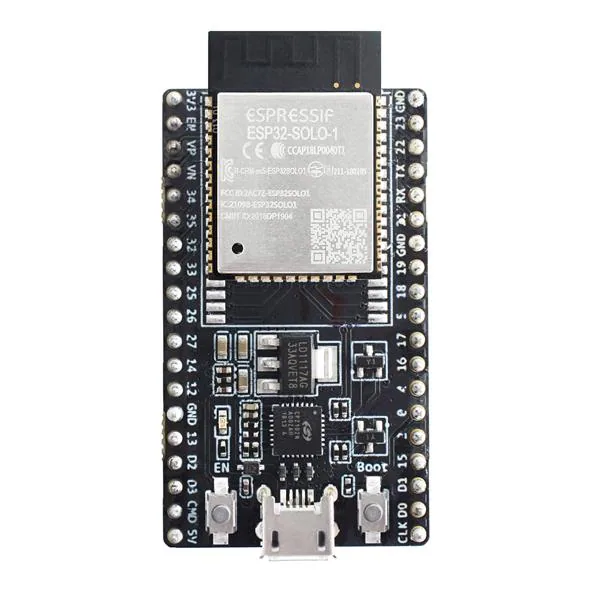
ESP32 is a more advanced and powerful successor to ESP8266. It supports both Wi-Fi and Bluetooth connectivity and is suitable for complex IoT applications.
Key features of ESP32 include:
- Dual-core processor
- Built-in Wi-Fi and Bluetooth
- Higher processing speed
- More GPIO pins and peripherals
- Enhanced security features
Both ESP8266 and ESP32 can operate as standalone IoT devices, directly connecting to the internet and communicating with cloud platforms.
Role of ESP8266 / ESP32 in IoT Communication
In an IoT system, ESP8266 and ESP32 perform multiple critical functions:
Sensor Data Acquisition
The microcontroller reads data from connected sensors using analog or digital pins.Data Processing and Formatting
Raw sensor values are processed and converted into meaningful units such as temperature (°C), humidity (%), or gas concentration (PPM).Wi-Fi Connectivity
The ESP connects to a local Wi-Fi network using stored credentials.HTTP Communication
Sensor data is transmitted to a cloud server using HTTP requests.Server Response Handling
The ESP receives acknowledgment or status responses from the server.
Thus, ESP8266 / ESP32 act as a bridge between the physical world and the digital cloud infrastructure.
IoT System Architecture
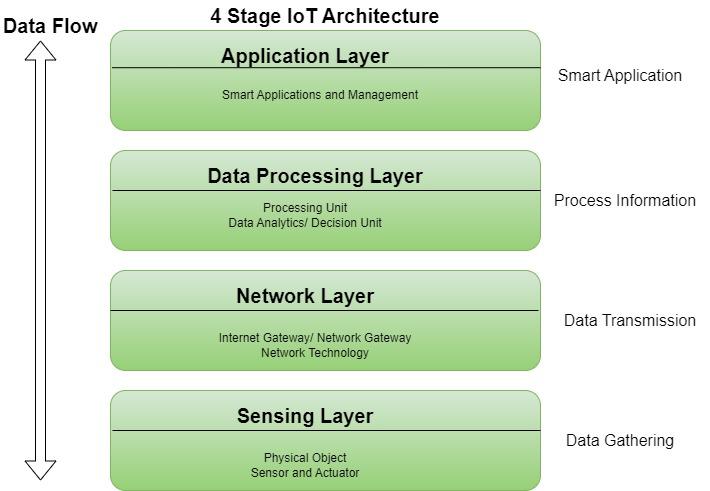
The general IoT architecture used in this experiment follows a layered approach:
Sensing Layer
Sensors measure real-world parameters such as temperature, humidity, gas concentration, or distance.Processing Layer
ESP8266 / ESP32 processes sensor readings and prepares data for transmission.Network Layer
Wi-Fi network provides internet connectivity for data transmission.Application Layer
IoT cloud platform stores, visualizes, and analyzes the received data.
Sensor Data Acquisition Process
Sensor data acquisition is a crucial step in IoT systems. The ESP microcontroller performs the following operations:
- Reads analog sensor values using ADC pins
- Reads digital sensor states via GPIO pins
- Converts raw ADC values into physical units
- Filters or validates data before transmission
Examples of converted sensor data include:
- Temperature in degrees Celsius (°C)
- Humidity in percentage (%)
- Gas concentration in PPM
- Distance in centimeters (cm)
Accurate data acquisition ensures reliability of cloud-based monitoring systems.
HTTP Protocol Fundamentals
HTTP (Hypertext Transfer Protocol) is a request–response communication protocol used between a client and a server. It forms the foundation of web communication and REST-based APIs.
Client–Server Model
- ESP8266 / ESP32 acts as an HTTP client
- IoT Cloud Platform acts as an HTTP server
Common HTTP Methods
- GET – Sends data as URL parameters
- POST – Sends data securely in the request body
HTTP is widely used in IoT applications because:
- It is simple and easy to implement
- It is compatible with web technologies
- It works with RESTful APIs
HTTP Data Transmission Mechanism
The steps involved in HTTP-based IoT data transmission are:
- ESP connects to a Wi-Fi network
- Sensor values are read and processed
- HTTP request URL or request body is formed
- HTTP request is sent to the server
- Server processes the request and stores data
- Server sends a response to ESP
A successful HTTP request returns a response such as:
- 200 OK – Data received successfully
This confirms successful data transmission.
OSI (Open Systems Interconnection) Model
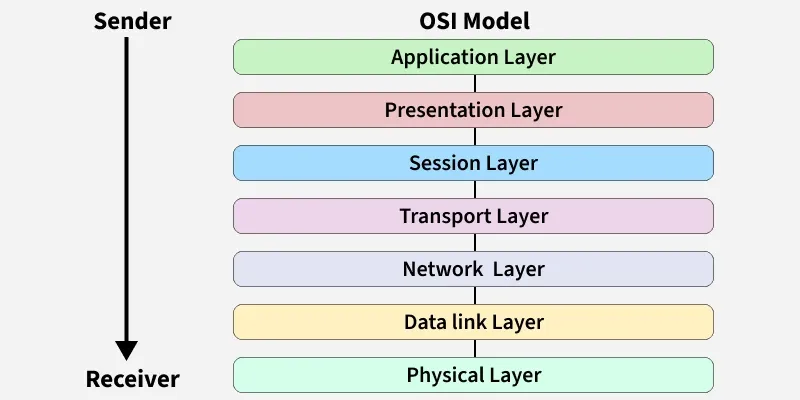
The OSI model, developed by the International Organization for Standardization (ISO), is a conceptual framework that divides network communication into seven functional layers. Each layer performs a distinct role, ensuring systematic data transmission from sender to receiver.
Layer-wise Description
1. Physical Layer
The Physical Layer is responsible for the transmission of raw binary data over a communication medium. In IoT systems, this includes radio frequency transmission via Wi-Fi modules embedded in ESP8266 and ESP32 microcontrollers.
2. Data Link Layer
This layer manages node-to-node communication and error detection. It ensures that data frames are correctly transmitted between devices connected to the same network. The IEEE 802.11 Wi-Fi protocol operates at this level.
3. Network Layer
The Network Layer handles logical addressing and routing of packets across interconnected networks. The Internet Protocol (IP) assigns unique IP addresses to both the ESP device and the cloud server, enabling global communication.
4. Transport Layer
The Transport Layer ensures reliable end-to-end communication. In HTTP-based IoT systems, the Transmission Control Protocol (TCP) provides connection-oriented communication, ensuring ordered and error-free data delivery.
5. Session Layer
The Session Layer establishes, manages, and terminates communication sessions between client and server. In IoT communication, this corresponds to maintaining active communication between the ESP module and the cloud platform.
6. Presentation Layer
This layer handles data formatting, encoding, and encryption. JSON data formatting and SSL/TLS encryption (in HTTPS communication) operate at this layer.
7. Application Layer
The Application Layer provides direct interface services for user applications. Protocols such as HTTP operate here, enabling data exchange between the ESP device and cloud-based servers.
TCP/IP Protocol Stack
While the OSI model is theoretical, practical internet communication follows the TCP/IP model. It simplifies communication into four layers and forms the foundation of modern networking.
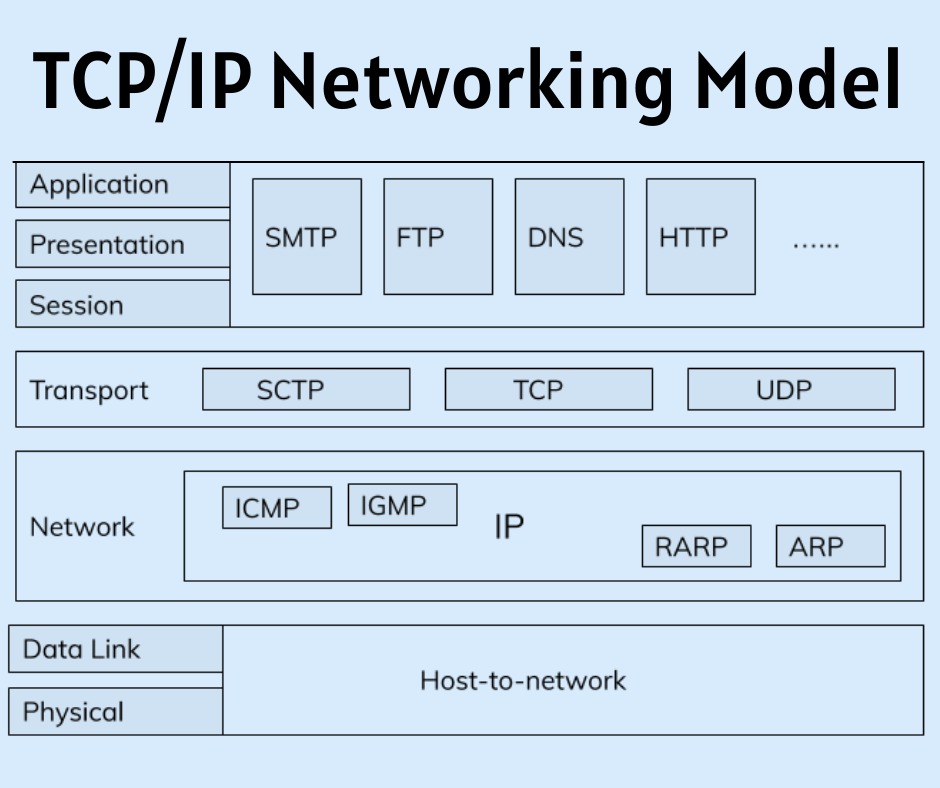
1. Application Layer
This layer includes protocols used for user-level communication. In IoT systems, common protocols include:
HTTP
HTTPS
MQTT
In this experiment, HTTP is used for transmitting sensor data to the cloud server.
2. Transport Layer
This layer ensures communication reliability and flow control.
TCP (reliable, connection-oriented)
UDP (fast, connectionless)
HTTP operates over TCP, which guarantees ordered data delivery.
3. Internet Layer
The Internet Layer handles packet routing using the Internet Protocol (IP). It determines the logical path for data transmission between the ESP device and the cloud server.
4. Network Access Layer
This layer combines the functions of the OSI Physical and Data Link layers. It manages hardware addressing, Wi-Fi communication, and frame transmission.
IoT Cloud Platform
An IoT cloud platform provides services for:
- Data storage
- Data visualization
- Analytics and alert generation
Typical features of IoT cloud platforms include:
- Real-time data graphs
- Historical data logs
- API keys for authentication
- Remote data access
Commonly used IoT platforms include:
- ThingSpeak
- Firebase
- Blynk
- Custom REST-based servers
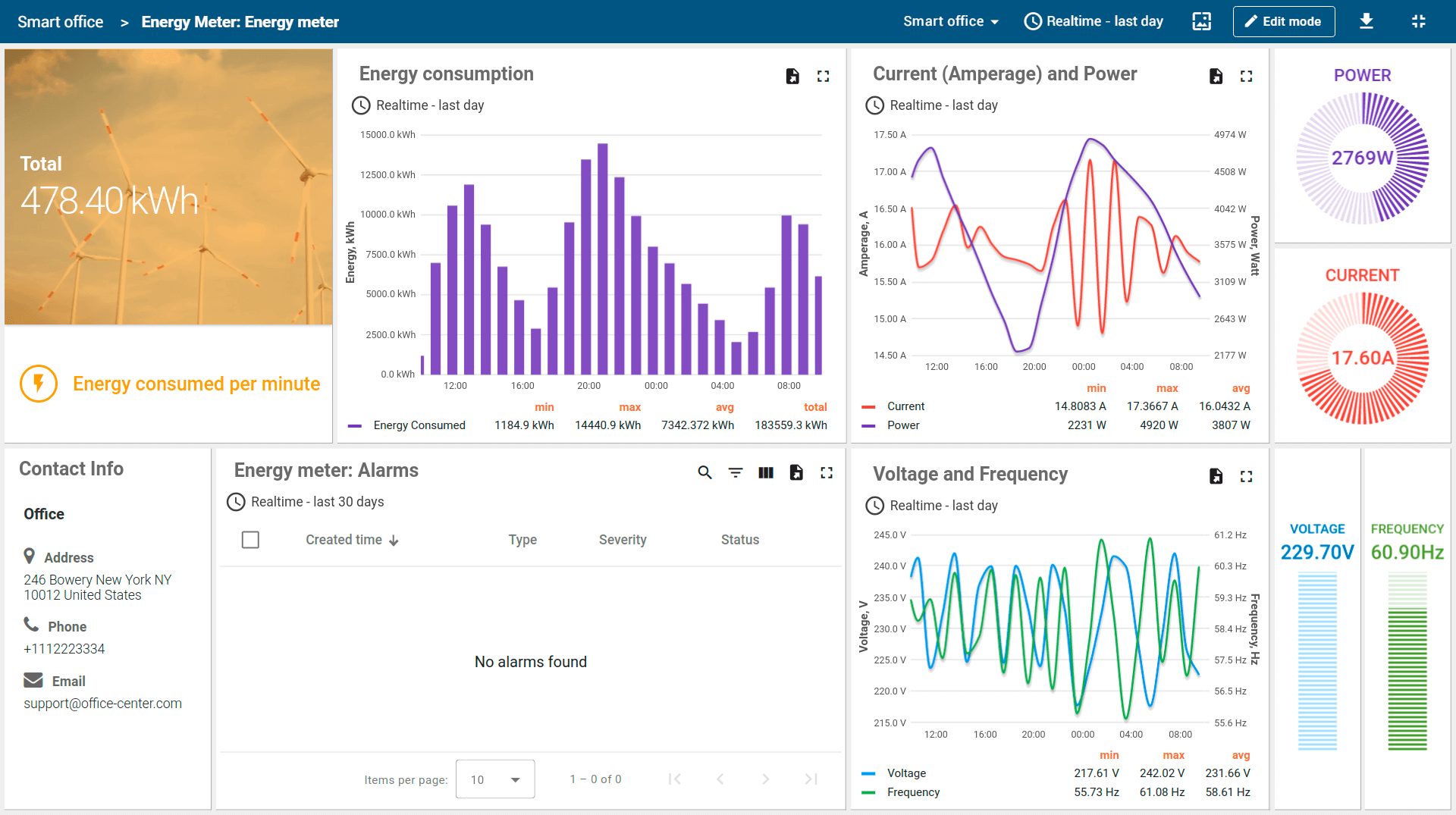
Data Visualization and Remote Monitoring
Once sensor data reaches the cloud platform:
- Data is stored in cloud databases
- Values are visualized using graphs and charts
- Users can monitor data remotely via web or mobile applications
This enables real-time monitoring, trend analysis, and decision making without physical presence near the sensors.
Security Considerations in HTTP-Based IoT Communication
Although HTTP is simple and widely used, it has certain security limitations:
- Data may be transmitted in plain text
- Vulnerable to data interception
To enhance security, advanced IoT systems use:
- HTTPS for encrypted communication
- API keys for authentication
- Authorization tokens
This experiment introduces basic HTTP communication concepts, while advanced security mechanisms are explored in higher-level IoT studies.
Applications of HTTP-Based IoT Systems
HTTP-based IoT communication is widely used in:
- Smart agriculture monitoring systems
- Weather stations
- Remote health monitoring
- Smart city infrastructure
- Industrial automation systems
Conclusion
This experiment provides a comprehensive understanding of real-time sensor data acquisition and HTTP-based data transmission using ESP8266 and ESP32 microcontrollers. It introduces core IoT concepts such as cloud connectivity, client–server communication, and remote monitoring, forming a strong foundation for advanced IoT application development.
References
- Arduino and ESP Documentation – https://www.arduino.cc
- Espressif Systems ESP8266 & ESP32 Technical Reference
- HTTP Protocol Specification – RFC 2616
- ThingsBoard IoT Platform Documentation
- Internet of Things: A Hands-on Approach – Arshdeep Bahga